History of Biryani: Tracing the Dish That Unites Bengal and London

Bonna's Kitchen
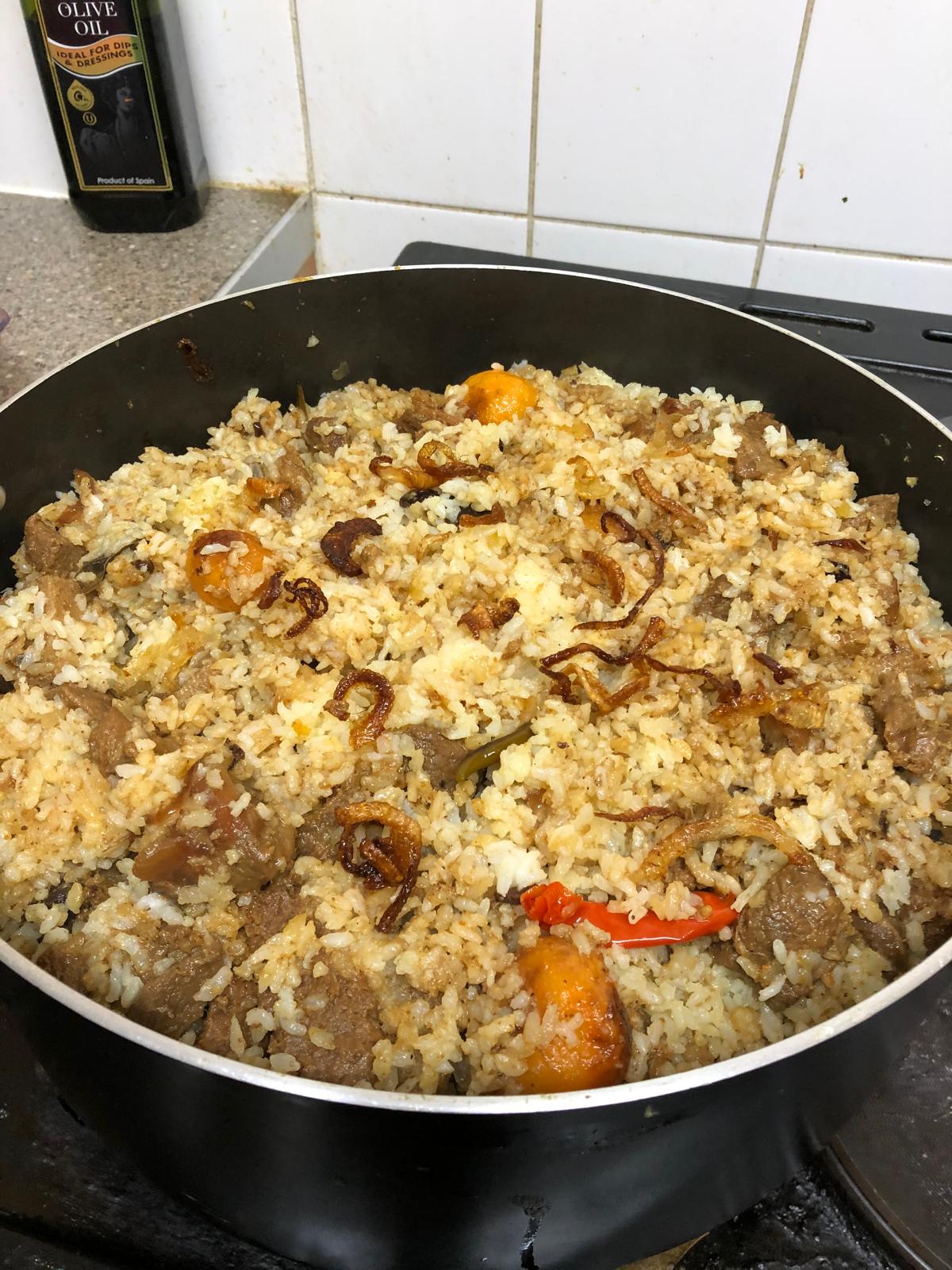
Discover the history of biryani, its origins, and why it remains a cultural staple from Bangladesh to East London. Read more to spice up your culinary story.
In the bustling markets of old Dhaka, the aroma of cumin and saffron began to weave a tale that would travel across oceans. The history of biryani is rooted in the Mughal kitchens of Bengal, where rice and spices were combined into a fragrant masterpiece. This dish, now a staple in East London’s Bangladeshi community, reflects centuries of trade, migration, and culinary adaptation.
The earliest records of biryani appear in the 16th‑century Mughal court, where it was served to emperors and nobles alike. Its name, derived from the Persian word ‘birian’ meaning “fried before cooking,” hints at the technique of sautéing spices with meat before layering with rice. The Bengal region added its own twist, incorporating local herbs and coconut milk to create a richer, creamier texture that still defines many Bangladeshi biryanis today.
When Bengali merchants and soldiers migrated to East London in the 19th and 20th centuries, they brought biryani with them, adapting recipes to suit available ingredients. The dish became a communal celebration during Eid and other festivals, symbolising unity among diverse South Asian communities. In the 1950s, the arrival of the first Bangladeshi immigrants in the East End turned small family kitchens into culinary hubs, where biryani was prepared for both family gatherings and street stalls. The aroma would drift through narrow lanes, attracting locals eager to taste this exotic flavor.
Today, the history of biryani is celebrated in every bite. In London’s East End, the dish is often made with halal chicken or lamb, reflecting the community’s commitment to religious dietary laws. The use of basmati rice, saffron, and a blend of spices such as cardamom and cloves pays homage to its Mughal heritage while also showcasing Bengali culinary innovation.
For those curious about how to recreate this historic dish at home, our chicken biryani recipe offers a step‑by‑step guide that respects tradition while simplifying the process for modern kitchens. Whether you’re a seasoned cook or a curious foodie, this recipe will connect you to the rich tapestry of South Asian cuisine.
Frequently asked: What makes Bangladeshi biryani different from other regional variants? It’s the subtle use of local spices and the inclusion of coconut milk, giving it a distinct aroma. Where did biryani come from? Its roots trace back to the Mughal kitchens of Bengal, evolving over centuries through trade and migration. How can I honor the dish’s heritage? By using halal ingredients and traditional cooking methods, you keep the story alive. Ready to bring this historic flavor to your table? Explore our menu and let Bonna’s bring authentic Bangladeshi home catering to your home.
Ready to order?
Authentic Bangladeshi food for collection only from E2 0RB, East London. Please pre-order at least two days ahead.
View Our Menu →